Colder
Business.
Everything You Need to Know About Walk-In Coolers
Expert advice, practical guides, and real-world answers to help you plan, buy, install, and maintain walk-in coolers and freezers.

Featured Guide
Read more guides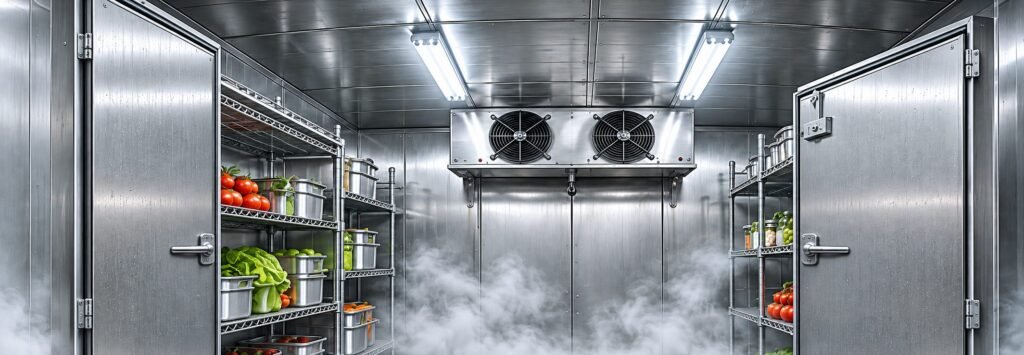
The Complete Walk-In Cooler Buying Guide
Everything you need to know about choosing the right walk-in cooler, from sizing and features to costs, installation, and long-term operation.
Read articleLatest Articles
View all articles
What Size Walk-In Cooler Do You Need?
Read article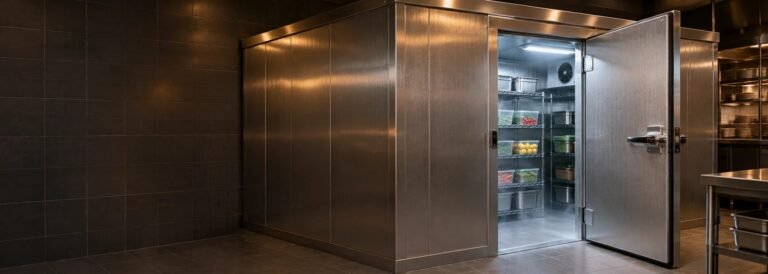
Walk-In Cooler Cost Explained
Read article
Indoor vs Outdoor Walk-Ins
Read article
Why Your Walk-In Is Icing Up
Read article
Walk-In Requirements for Restaurants
Read article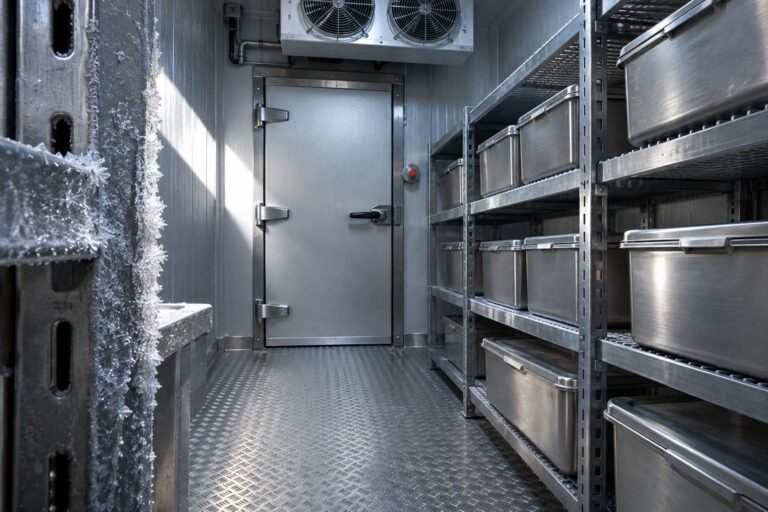
Panel Thickness and R-Value
Read articleFree Tools
Ask an Expert / Common Questions
Do I need a permit for a walk-in cooler?
In many US cities, yes — especially for permanent installations, electrical work and refrigeration hookups. Requirements vary by city and county, so check with your local building department before installation.
What temperature should a walk-in cooler be?
The FDA Food Code requires TCS food to be held at 41°F (5°C) or below, measured in the food itself; check the edition your state has adopted. Many kitchens set the cooler a few degrees lower, such as 35–38°F, for a margin. Frozen food must stay frozen, and 0°F (−18°C) or below is a common target.
How long do walk-in coolers last?
Sources differ: Norlake and KPS Global cite about 10–15 years with proper maintenance, and Foodservice Equipment Reports says manufacturers put the average at about 15 years. Location, use and maintenance make the biggest difference.
Can I install a walk-in cooler myself?
Panel assembly is sometimes DIY-friendly, but refrigeration and electrical connections generally require licensed professionals and may need inspection.
What’s the difference between a cooler and a freezer?
Freezers use thicker insulation, insulated floors, heated door frames and different refrigeration equipment to hold much lower temperatures.